
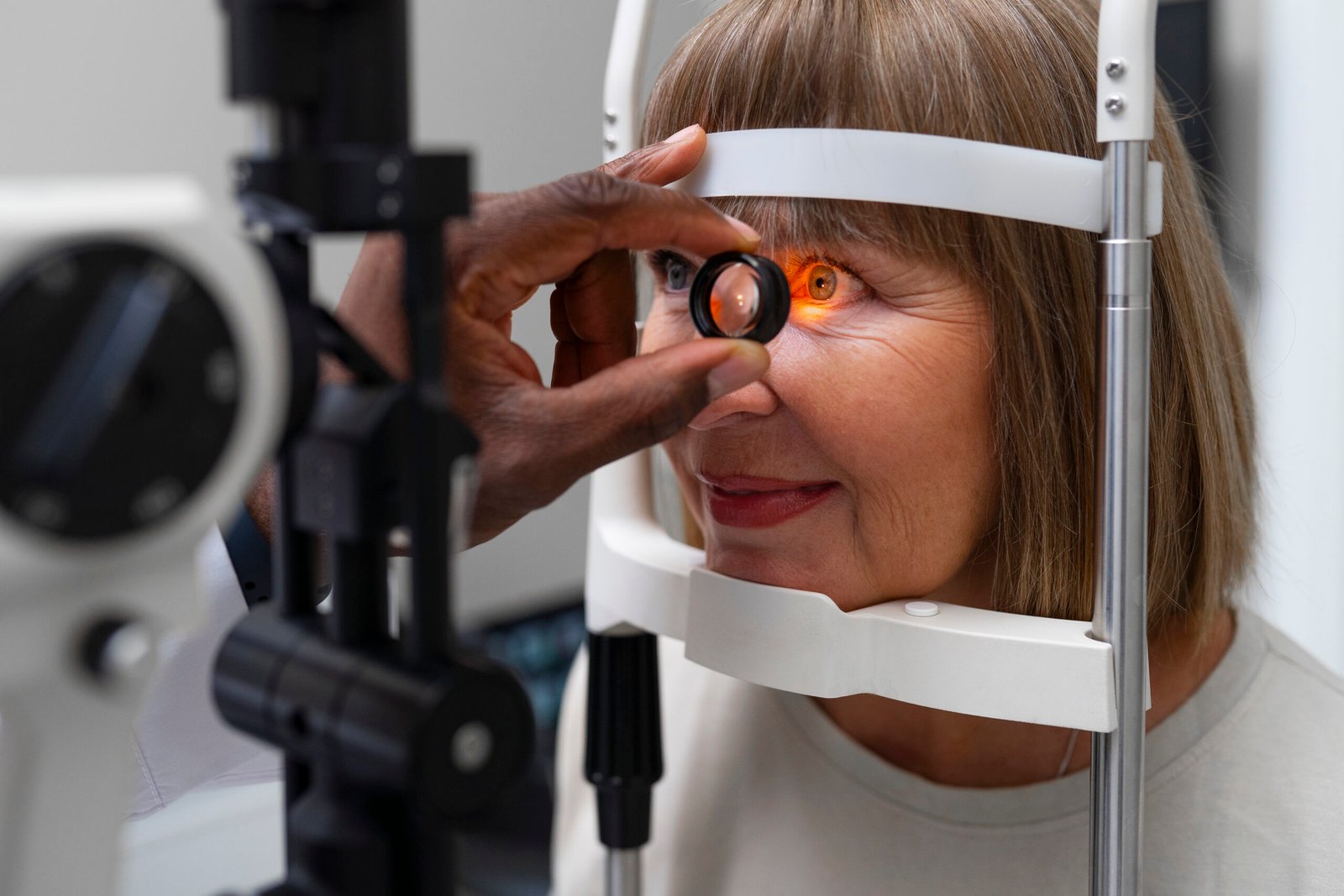
Understanding Routine Eye Tests
Routine eye tests are vital components of maintaining overall vision health. Additionally, they are comprehensive assessments conducted by optometrists to evaluate various aspects of eye function and health. While many people associate eye exams primarily with obtaining or updating glasses prescriptions, these assessments extend beyond that singular purpose. The Importance of a routine eye test is a key component of preventive eye care.
During a standard eye exam, several tests are performed to assess vision clarity and eye function. One initial step is for the optometrist to review the patient’s history, including past visual issues, eye diseases, and recent symptoms. This helps the optometrist tailor the examination to the individual’s needs, highlighting the Importance of a routine eye test.
Subsequently, the optometrist conducts visual acuity tests to measure how well each eye sees at various distances.
For example, this may include using an eye chart; the Importance of a routine eye test guides corrective options.
Additionally, tests for depth perception, color blindness, and peripheral vision are common, providing essential information about a patient’s visual capabilities.
Another critical aspect of routine eye tests involves evaluating the eye’s internal and external structures.
Additionally, this includes examining the cornea, lens, retina, and optic nerve.
Tools such as ophthalmoscopes and tonometers are essential, enabling detection of early signs of glaucoma, diabetic retinopathy, and macular degeneration.
Overall, routine eye exams serve an integral purpose in not only confirming or updating prescriptions for corrective lenses but also in proactively monitoring and managing eye health. Regular evaluations can lead to early detection of serious conditions, greatly improving the potential for effective treatment and preservation of vision.
The Risk of Skipping Eye Exams
Neglecting regular eye exams can lead to a variety of serious and potentially irreversible eye conditions. One of the most significant risks is the development of glaucoma, a group of eye diseases that can cause vision loss and blindness by damaging the optic nerve. Often, glaucoma goes unnoticed in its early stages as it typically does not present symptoms until significant damage has occurred. Without routine eye examinations, individuals may be unaware of this dangerous condition until it is too late to prevent vision impairment.
Another critical risk associated with skipping eye tests is diabetic retinopathy, a complication caused by diabetes that affects the eyes. This condition results from damage to the blood vessels in the retina and can lead to visual distortion or blindness if left untreated. Regular screenings are vital for those with diabetes, as these examinations can help in early detection, allowing for timely intervention to prevent serious complications.
Macular degeneration is another condition that can result from neglecting eye health. This age-related disease affects the central part of the retina and can significantly impact vision quality. Regular eye exams are crucial in identifying early signs of macular degeneration, providing opportunities for treatment that may slow its progression and safeguard visual function.
Additionally, skipping eye exams can result in not identifying refractive errors such as nearsightedness, farsightedness, and astigmatism. These conditions can be corrected with the appropriate lenses or vision therapy, yet without regular check-ups, many individuals may suffer from uncorrected vision issues which can affect their daily activities and overall quality of life.
However, forgoing eye exams extends implications beyond discomfort. The risk of missing glaucoma, diabetic retinopathy, or macular degeneration can cause severe, sometimes irreversible vision damage. Therefore, maintain a regular eye exam schedule to protect and manage ocular health.
How Eye Tests Can Save Your Sight
Routine eye exams play a key role in maintaining vision health.
They assess your eyesight and also act as preventive care against vision loss.
The Importance of a routine eye test lies in early detection.
Many serious issues, such as glaucoma or diabetic retinopathy, develop gradually.
They may not show symptoms until significant damage occurs.
Through comprehensive evaluations, eye care professionals can identify these conditions early.
This enables timely intervention.
For instance, glaucoma, often referred to as the “silent thief of sight,” can lead to irreversible blindness if left undiagnosed. Regular eye examinations facilitate the monitoring of intraocular pressure and the health of the optic nerve, helping to catch any abnormalities. By treating glaucoma early—through medication or surgical options—patients can preserve their vision effectively.
Moreover, a routine eye test can also unveil systemic health issues that might otherwise remain undetected. Conditions like hypertension and diabetes manifest through changes in blood vessels in the retina, which trained professionals can identify during an exam. Recognizing these signs early can lead to the diagnosis and management of overall health, thereby serving as a comprehensive approach to one’s well-being.
In summary, the importance of regular eye tests extends beyond merely updating prescriptions for glasses or contact lenses. These examinations play a vital role in safeguarding vision, enabling early detection of potentially life-altering conditions that can be treated effectively if caught on time. Thus, prioritizing eye health through routine check-ups is critical in our pursuit of overall health and well-being.
Tips for Maintaining Eye Health Between Exams
Maintaining eye health between exams is crucial for ensuring long-term vision safety. Here are some practical strategies individuals can adopt to take care of their eye health.
Firstly, adopting a balanced diet rich in vitamins and antioxidants plays a significant role in maintaining eye health. Foods such as leafy greens, carrots, fish, and fruits can help reduce the risk of developing eye-related issues. Nutrients like omega-3 fatty acids, lutein, and vitamins C and E are particularly beneficial for protecting the eyes from damage caused by free radicals and maintaining overall vision quality.
Secondly, practice the 20-20-20 rule to combat digital eye strain, which is common in our tech-driven lifestyles. For every 20 minutes spent looking at a screen, take a 20-second break and focus on something 20 feet away. This simple habit helps to reduce eye fatigue and discomfort by allowing the eye muscles to relax.
Additionally, it is important to prioritize protective measures. Wearing sunglasses that block 100% of UVA and UVB rays can shield your eyes from harmful sun exposure. Furthermore, using safety glasses if you work in hazardous environments or participate in sports can protect against potential injuries.
Regularly performing self-checks on your vision can also be beneficial. Being aware of any changes in vision, such as blurriness or difficulty seeing at night, allows you to address concerns promptly. Keeping an eye on any symptoms and consulting with an eye care professional can facilitate early detection of potential issues.
Lastly, staying hydrated is an often-overlooked element of eye health. Drinking enough water helps to keep the eyes moist, reducing dryness and discomfort. By integrating these lifestyle changes and protective measures, individuals can significantly contribute to their long-term vision safety until their next eye exam.

Asad Javed Optometrist, BSc (Hons) MCOptom Prof Cert Med Ret
Optometrist, BSc (Hons) MCOptom Prof Cert Med Ret Lead Optometrist at MyEyecare Independent Opticians Euxton
View all articles by Asad Javed Optometrist, BSc (Hons) MCOptom Prof Cert Med Ret →